No such thing as a happy ending the beauty of bitterness
Endings are powerful, emotional, and often unforgettable whether it's in a show, a song or a movie. In storytelling the ending is an add up of every emotional issue, conflict, and character development. However not every story ends with joy or closure. Some leave us with sadness, unresolved thoughts, or painful truth. The idea that “There is no such thing as a happy ending” challenges the idea that every narrative must end with resolution and harmony like in so many fairy tales that we were so used to growing up. In the short stories Children of the Sea by Edwidge Danticat and Interpreter of Maladies by Jhumpa Lahiri the endings are far from the so called happy ending. They are dull, unresolved, and vulnerable, but that does not mean they are incomplete or without meaning. Both stories suggest that endings shaped by loss, or unfulfilled connection can be just as powerful as the so-called “happy” endings. Therefore, agreeing with the statement there is no such thing as a happy ending, only honest ones makes the most sense.
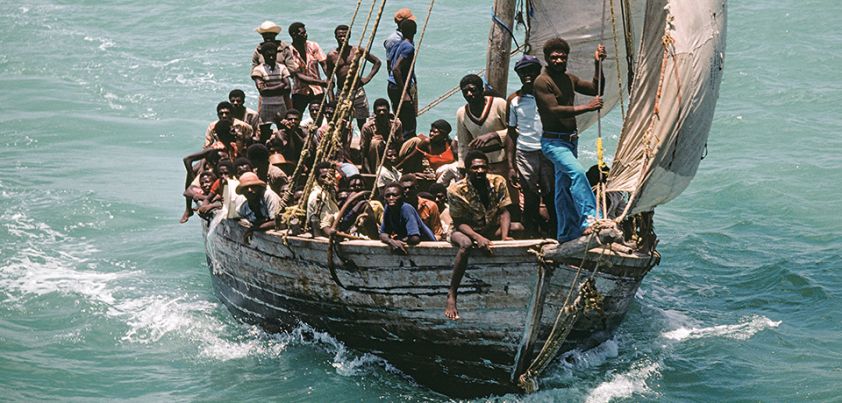
In Children of the Sea the relationship between the two unnamed lovers is never fulfilled. Their letters written in parallel yet never received form a sort of heartbreaking dialogue that emphasizes distance, despair, and the oppressive weight of political issues. The sea becomes a metaphor for both separation and death, symbolizing the literal and emotional divide between them. The male narrator’s journey ends with his implied death at sea, and the woman remains trapped in Haiti, awaiting a future that will never arrive. Danticat crafts a tragic but powerful commentary on love in the face of chaos. As the male narrator writes, “I am going to throw this bottle into the sea. I hope someone will find it” (Danticat 20). The hopelessness is heavy, but it reflects the real cost of war, and censorship. There is no joyful reunion, only memory and mourning. The theme of sacrifice and unattainable love is central, showing that the lack of a happy ending does not diminish the depth of the story.
Similarly, in Interpreter of Maladies, Lahiri explores the emotional distance within relationships, particularly through the character of Mr. Kapasi. His brief interactions with Mrs. Das, which he misreads as a chance for intimacy, love, and understanding, is quickly broken when he realizes that her confessions come not from trust, but guilt and selfishness. Mr. Kapasi’s hopes for connection dissolve as quickly as they formed, leaving him alone. Lahiri writes, “The feeling he had had toward her, that had made him check his reflection in the rearview mirror as they drove, evaporated a little” (Lahiri 27). The ending, while not dramatic, is quietly devastating. The story reflects the theme of miscommunication and emotional isolation, an internal conflict that many can relate to. Like Children of the Sea, the ending is unresolved, but incredibly human.
These themes of loss also appear in popular culture. In The Fault in Our Stars by John Green, Hazel and Augustus fall in love while both dealing with cancer. Their relationship is meaningful, but it ends in tragedy when Augustus dies. Even though they loved each other, their story does not have a happy ending. Hazel says, “You gave me a forever within the numbered days”. Like Children of the Sea, their love is real but cannot last. And like the Interpreter of Maladies, the connection between characters fades into disappointment. All three stories show that not all love stories end happily but they can still be powerful and emotional.
In conclusion, happy endings are not always realistic. Children of the Sea and Interpreter of Maladies both end in sadness, separation, or disappointment. But that doesn’t make them any less meaningful. These stories show the truth and the real world side about love, loss, and life. Just like The Fault in Our Stars, they remind us that even short or painful relationships can have a lasting impact on someone. So maybe there is no such thing as a happy ending but there is such a thing as an honest one.
ORKS CITED
“Children of the Sea” by Edwidge Danticat, mrscastor.com/wp-content/uploads/2012/12/Children-of-the-Sea-1.pdf. Accessed 17 Apr. 2025.
“Lahiri Interpreter of Maladies Full Text.” Scribd, Scribd, www.scribd.com/document/630361479/lahiri-interpreter-of-maladies-full-text. Accessed 17 Apr. 2025.
The Fault in Our Stars. Directed by Josh Boone, performances by Shailene Woodley and Ansel Elgort, 20th Century Fox, 2014.

No comments:
Post a Comment